
Today we are taking you to Zürich, Switzerland, famed as a global centre for banking and finance, to learn about a dive operator making waves in the sustainable marine tourism industry. Building on a 50-year legacy as the oldest dive operator in Switzerland, TSK expanded its reach by opening the Zürich branch in 2017. With a commitment to climate neutrality, TSK are serious about environmental responsibility and are implementing Green Fins initiatives to great effect. We had the chance to sit down with with the TSK team and learn more about how they have benefited from Green Fins and how they view the future of sustainable marine tourism.
Why did you decide to become a Green Fins Digital Member?
We at TSK Zürich chose to become a Green Fins Digital Member to strengthen our commitment to sustainable diving. As a PADI 5* Instructor Development Center and PADI Eco Center, we place great importance on quality, safety, and environmental responsibility. Joining Green Fins allows us to align our courses and diving activities more closely with ecological best practices. It also gives us the opportunity to not only improve our own operations but also actively raise awareness within our diving community about the importance of protecting the lakes.
Since joining Green Fins, what actions or initiatives have you implemented to promote environmental conservation — and which are you most proud of?
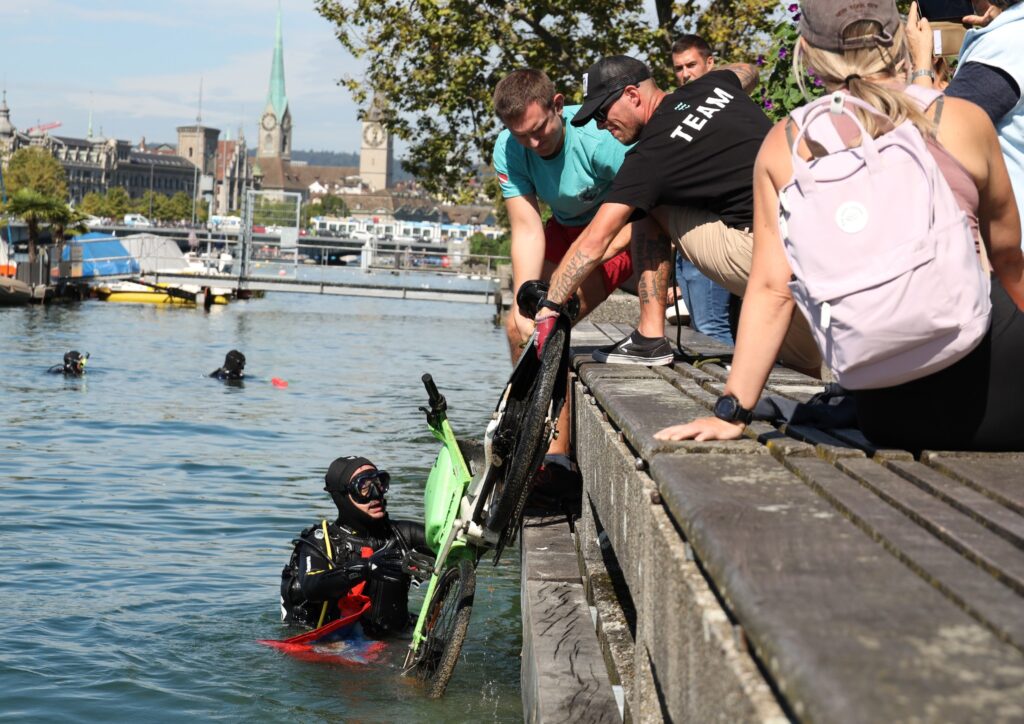
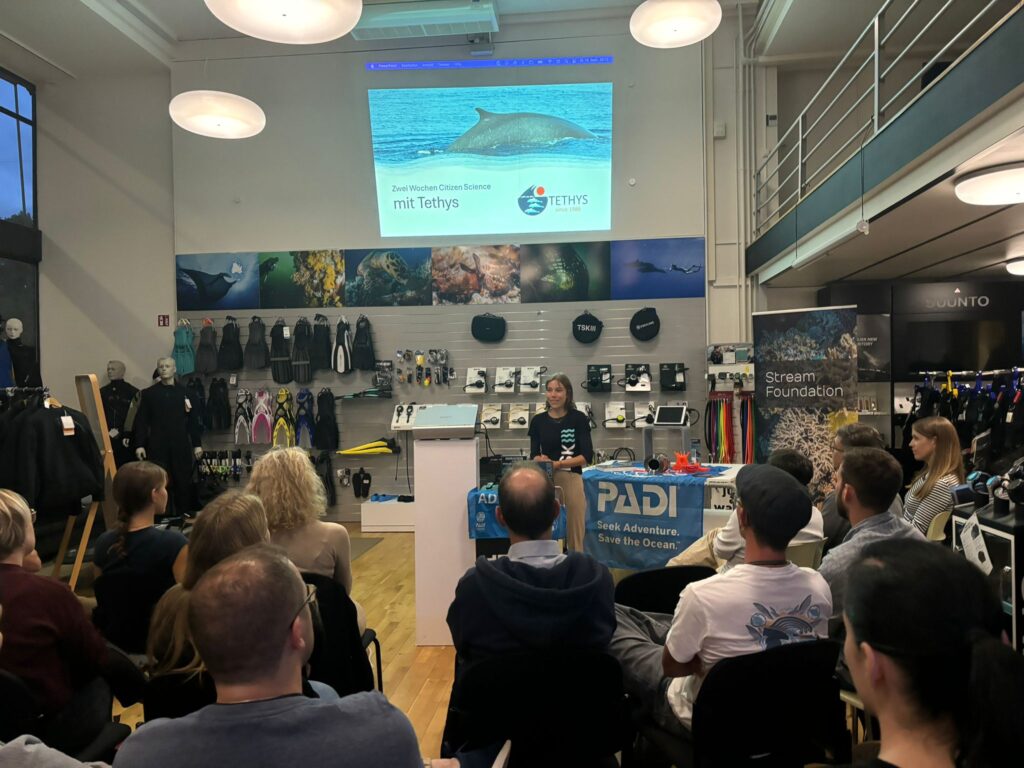
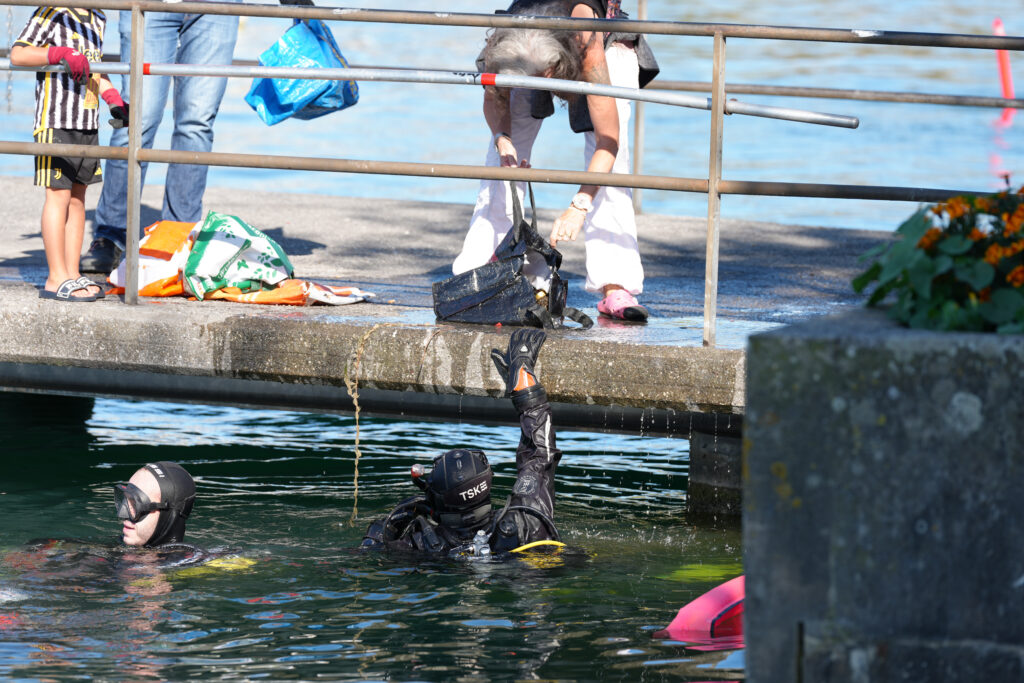
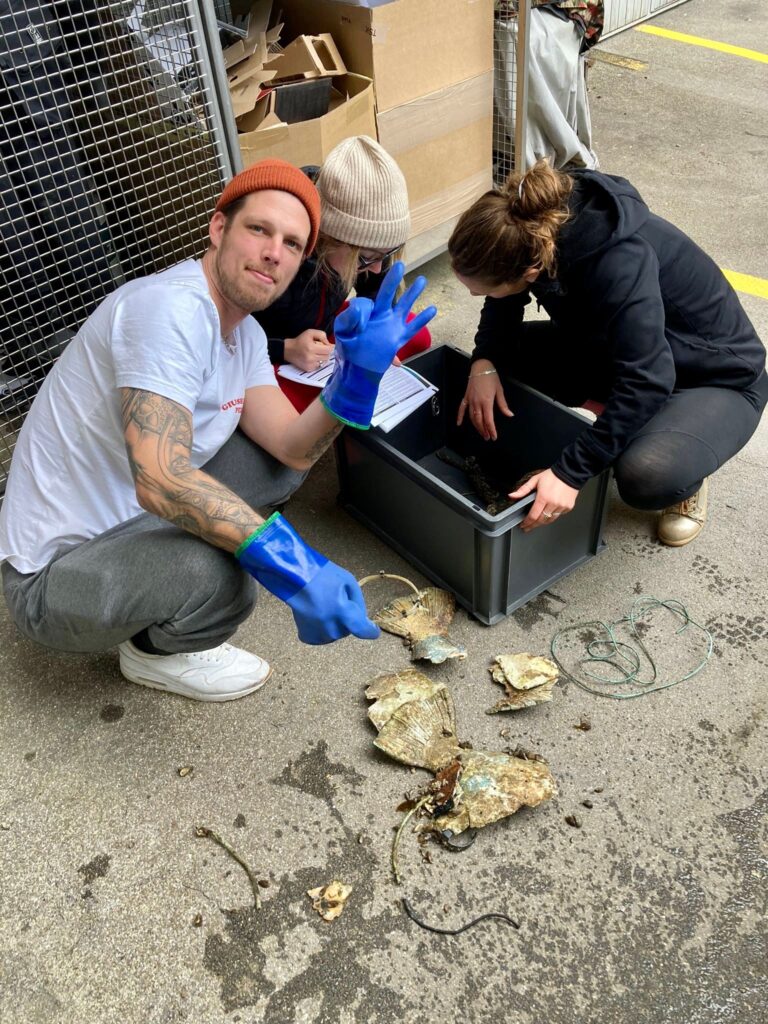
We’ve always been passionate about environmental conservation and sustainable diving. For many years, we’ve included the Dive Against Debris® program in our Advanced Open Water Diver courses so that every diver gets real, hands-on experience in underwater conservation. We’ve also been involved in World Cleanup Day events around Lake Zurich and regularly host PADI AWARE evenings to raise awareness about marine protection.
Since joining Green Fins, we’ve built on these efforts by giving our sustainability work more structure. The Green Fins Hub helps us track what we’re doing, measure our progress, and see where we can still improve. It’s been a great way to stay motivated and share ideas with others. Most of all, it’s helped us bring environmental awareness even deeper into our training and everyday operations, encouraging both our team and our divers to take an active role in protecting the underwater world.
What challenges have you faced while putting sustainable practices into action, and how did you overcome them?
A key challenge for TSK Zürich has been engaging our divers and the wider community in sustainability initiatives. While our team is committed to environmental conservation, motivating guests to actively participate in programs like Dive Against Debris or understand the importance of eco-friendly practices can sometimes be difficult, especially for those new to diving or unfamiliar with environmental issues. How to overcome? Actively inform, train, support and answer questions, explain the why behind the activities. Sometimes we also just make the activity mandatory (e.g. DAD part of AOWD).
Cold-water diving remains largely underrepresented among both divers and the general public. Protecting our waters is not just about the oceans, local freshwater ecosystems, such as Switzerland’s lakes, are equally vital. Unfortunately, many environmental campaigns worldwide, including here in Switzerland, focus almost exclusively on oceans and coral reefs, overlooking the crucial role of freshwater conservation. By raising awareness and involving divers in local initiatives, we aim to bridge this gap and show that every water body, marine or freshwater, deserves care and protection.
How has your team responded to the sustainability changes introduced through Green Fins?
All of our staff at TSK Zürich were already passionate about environmental protection and sustainable diving long before. The Green Fins framework has helped us channel that enthusiasm into a more structured and measurable approach, aligning our efforts and allowing us to track progress together. For example, one of our instructors has developed and launched the PADI Master Buoyancy and Positioning course, officially recognized by PADI, which takes buoyancy control training to a whole new level. The course focuses on fine-tuning buoyancy, body trim, positioning in the water, and breathing technique, all of which contribute to reduced environmental impact through more precise and eco-friendly diving.
How has Green Fins helped you manage your business more sustainably?
Green Fins has provided us with practical tools and guidance to manage our operations with sustainability at the forefront. The structured action plans and access to the Community Hub have been particularly valuable, allowing us to learn from other dive operators and share experiences. This is especially helpful as we operate in a cold-water environment, which comes with different challenges compared to warm-water diving.
Through the platform, we can connect with dive shops and professionals facing similar issues, exchange ideas, and adopt best practices that fit our specific context. Using these resources, we can integrate sustainability into our day-to-day operations, planning, and decision-making more effectively.
Have your sustainable efforts helped you grow your business/attract new customers?
Yes, our commitment to sustainability has helped strengthen our reputation and attract environmentally conscious divers. By integrating eco-friendly practices into our courses and daily operations, we demonstrate our dedication to protecting marine environments, which resonates
strongly with our customers.Participation in initiatives like Dive Against Debris® and community clean-up events not only engages divers but also showcases our leadership in sustainable diving. This visibility and credibility attract clients who prioritize responsible tourism and value diving operators with a genuine commitment to conservation, ultimately supporting both our growth and long-term business success.
What is your favourite feature on Green Fins Hub?
Our favourite feature on the Green Fins Hub is definitely the Community Forum. It’s a great place to connect with other dive centres, share ideas, and learn from each other’s experiences. Because we dive in a cold-water environment, we sometimes face challenges that are quite different from those in tropical locations. Having a platform where we can exchange knowledge with others in similar conditions is really helpful. It’s also inspiring to see how other operators tackle sustainability. It keeps us motivated to keep improving and trying new things ourselves.
What role do you see digital platforms, such as Green Fins Hub, playing in supporting sustainable practices in the diving industry?
We see digital platforms like Green Fins Hub as a practical and inspiring way to make sustainable diving part of everyday operations. They offer useful guidance, help us track our progress, and connect us with others who share the same goals.
Platforms like this inspire us to keep improving, share ideas, and learn from others. We believe they will play an important role in shaping the future of responsible freshwater and marine tourism by making sustainability simple, engaging, and collaborative.
Looking ahead, what new sustainability initiatives or projects are you planning to introduce?
Looking ahead, we are planning several initiatives to further strengthen our environmental impact and promote sustainability within our diving community.
Our upcoming Divemaster Trainings will include dedicated tasks focused on environmental awareness and protection, such as learning to deliver eco-friendly briefings, mastering buoyancy control, and fostering environmental awareness among students and guests. Each Divemaster Trainee will also prepare a presentation on a sustainability topic of their choice, shared during a team meeting to inspire ongoing learning.
We will continue our annual events, including Clean-Up Dives and PADI AWARE activities, and remain active partners in external sustainability projects. For example, we annually support a local Google Office in organizing a lake clean-up, providing dive operations and site management support.
In addition, we’re proud to collaborate with student researchers on environmental studies, such as ongoing monitoring of invasive quagga mussels in Lake Zurich. Through these efforts, we aim to keep building awareness, strengthen community involvement, and protect the beautiful Swiss lakes we dive in.
What a pleasure to learn more about TSK and their visionary work to change the diving industry and their collaborative work to protect Lake Zurich. As they mentioned in their conversation, Green Fins Hub continues to play a key role when implementing sustainability measures as well for informing and engaging others to change and improve their own practices.
Learn more about becoming part of the Green Fins community at greenfins.net/join